Pro Auto Repair, Slidell La. - Auto Engine & Transmission Shop

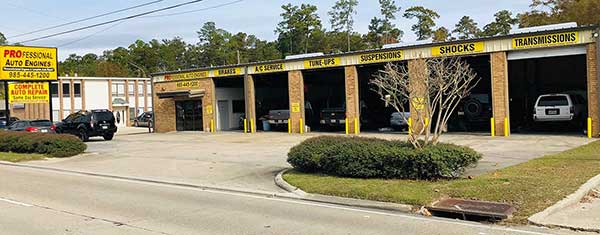
Towing Available
Same Day Service
Affordable Car Repair
Fast, Friendly Service
Locally Owned & Operated
Fixed Right the 1st Time
We Do It All
Nationwide Warranty
After Hours Key Drop
All Makes and Models
Foreign & Domestic
Financing Available


Common Car Care Questions
1. How can I improve my gas mileage?
Better fuel economy usually comes from small habits and basic maintenance. Keeping your tires properly inflated reduces rolling resistance and helps your engine work less. Replacing a dirty air filter, using the correct motor oil, and staying current on tune‑ups also make a noticeable difference. Smooth acceleration and avoiding hard braking help your fuel stretch further, especially in stop‑and‑go traffic.
2. Why does my car shake when I brake?
A vibration during braking often points to warped brake rotors or uneven brake pad wear. When the rotor surface isn’t perfectly flat, the pads grab inconsistently and you feel that pulsing in the steering wheel or brake pedal. Sometimes worn suspension components or loose wheel bearings can contribute too. A quick brake inspection will pinpoint the cause and prevent further wear.
3. What causes my check engine light to come on?
The check engine light can turn on for dozens of reasons, from a loose gas cap to a failing sensor. Modern cars monitor everything from fuel mixture to emissions, so even small issues trigger the warning. A diagnostic scan will show the exact code and help determine whether it’s something minor or something that needs immediate attention.
4. Why does my car pull to one side while driving?
Pulling to one side usually means your alignment is off, but uneven tire pressure or worn suspension parts can cause the same problem. If the pull happens only while braking, it may be a sticking brake caliper. Getting the alignment checked and making sure all tires are inflated evenly is the best first step.
5. How often should I change my oil?
Most modern vehicles can go 5,000–7,500 miles between oil changes, but it depends on your engine and the type of oil you use. Synthetic oil lasts longer and protects better, especially in hot Louisiana weather. If you drive short trips or sit in heavy traffic often, more frequent changes help keep the engine clean.
6. Why does my AC blow warm air sometimes?
Warm air from the AC usually means the refrigerant level is low or there’s a small leak in the system. It can also be caused by a failing compressor, clogged cabin air filter, or electrical issue with the cooling fans. A quick AC performance test will show whether the system just needs a recharge or a repair.
7. What’s the best way to make my brakes last longer?
Brakes last longer when you avoid hard stops and give yourself plenty of space in traffic. Keeping your wheels and brake components clean helps too, since dust buildup can accelerate wear. If you notice squeaking or grinding early, getting the pads checked right away prevents damage to the rotors and saves money.
8. Why does my engine make a ticking or tapping sound?
A ticking noise can come from low oil, worn lifters, or an exhaust leak. Sometimes it’s harmless, like normal injector noise, but other times it’s a sign the engine isn’t getting proper lubrication. Checking the oil level and having a mechanic listen in person is the safest way to avoid long‑term damage.
9. What should I do if my car overheats?
If your temperature gauge climbs into the red, pull over safely and turn the engine off. Driving while overheated can cause serious engine damage. Common causes include low coolant, a failing water pump, or a stuck thermostat. Once the engine cools, a mechanic can pressure‑test the cooling system to find the exact issue.
10. Why does my car take longer to start than it used to?
Slow starting often points to a weak battery, corroded terminals, or a failing starter motor. In some cases, a fuel system issue makes the engine crank longer before it fires. A battery load test and quick electrical inspection will usually identify the problem before you end up stranded.
11. What type of regular engine maintenance can help me avoid expensive engine repair down the road?
Keeping up with basic engine maintenance is the easiest way to avoid major engine repair later. Things like timely oil changes, fresh filters, and staying ahead of small leaks help the engine stay lubricated and cool. When maintenance is skipped, parts wear faster, heat builds up, and small issues can turn into big ones. A mechanic can spot early warning signs during routine service, which often prevents the kind of damage that leads to engine replacement.
12. What are the signs that my transmission needs repair?
A transmission that slips, hesitates, or makes grinding noises is usually asking for attention. You might also notice a burning smell or reddish fluid under the car. Transmission repair is easiest when caught early — small issues can turn into expensive problems if ignored.
13. When is transmission replacement a better option than repair?
If the transmission has severe internal damage, metal shavings in the fluid, or repeated failures after previous repairs, replacement may be the more reliable choice. Modern transmissions are complex, and sometimes a full transmission replacement gives you better long‑term performance and fewer surprises down the road.
14. What causes an engine to fail completely?
Engines usually fail because of overheating, oil starvation, or long‑term neglect. Running low on oil can damage bearings and pistons, while overheating can warp the cylinder head or crack the block. If the damage is extensive, engine replacement may be the only safe option. Regular maintenance is the best defense against major engine repair.
15. Is it worth repairing an older car’s engine?
It depends on the car’s overall condition. If the body, transmission, and electrical systems are still solid, an engine repair can extend the life of the vehicle for years. But if the car has multiple failing systems, you may be better off considering engine replacement or evaluating whether the vehicle is worth further investment.
16. Why does my car hesitate when I accelerate?
Hesitation often comes from fuel delivery issues, clogged filters, or ignition problems. Sometimes early transmission trouble can feel like hesitation because the gears aren’t engaging smoothly. A mechanic can test both the engine and transmission to pinpoint whether it’s a simple maintenance fix or something that needs deeper repair. Catching it early helps prevent bigger issues like engine repair or transmission repair down the road.
17. What’s the difference between a rebuilt engine and an engine replacement?
A rebuilt engine is your original engine restored with new internal parts. An engine replacement swaps your engine for a new or remanufactured one. Rebuilding is often more affordable, while replacement gives you a fresh start with factory‑level reliability. The right choice depends on the condition of your current engine and your long‑term plans for the vehicle.
18. How long should a transmission last before needing repair?
Most transmissions last well over 100,000 miles with proper maintenance. Regular fluid changes help prevent overheating and internal wear. If you tow heavy loads or drive in stop‑and‑go traffic often, your transmission may need repair sooner. Catching small issues early can add years to its lifespan.
19. Why does my car make a whining noise when driving?
A whining noise can come from several places — worn belts, failing bearings, or even the transmission. If the sound changes when the car shifts gears, it may be a sign that transmission repair is needed. If it’s constant, it could be an accessory belt or pulley starting to wear out. A quick inspection will narrow it down and help prevent a small noise from turning into a bigger repair.
20. Is it safe to keep driving if my transmission is slipping?
It’s best not to. A slipping transmission can overheat and cause internal damage quickly. Continuing to drive may turn a simple transmission repair into a full transmission replacement. If you notice slipping, hesitation, or sudden changes in how the car shifts, it’s smart to have it checked right away.